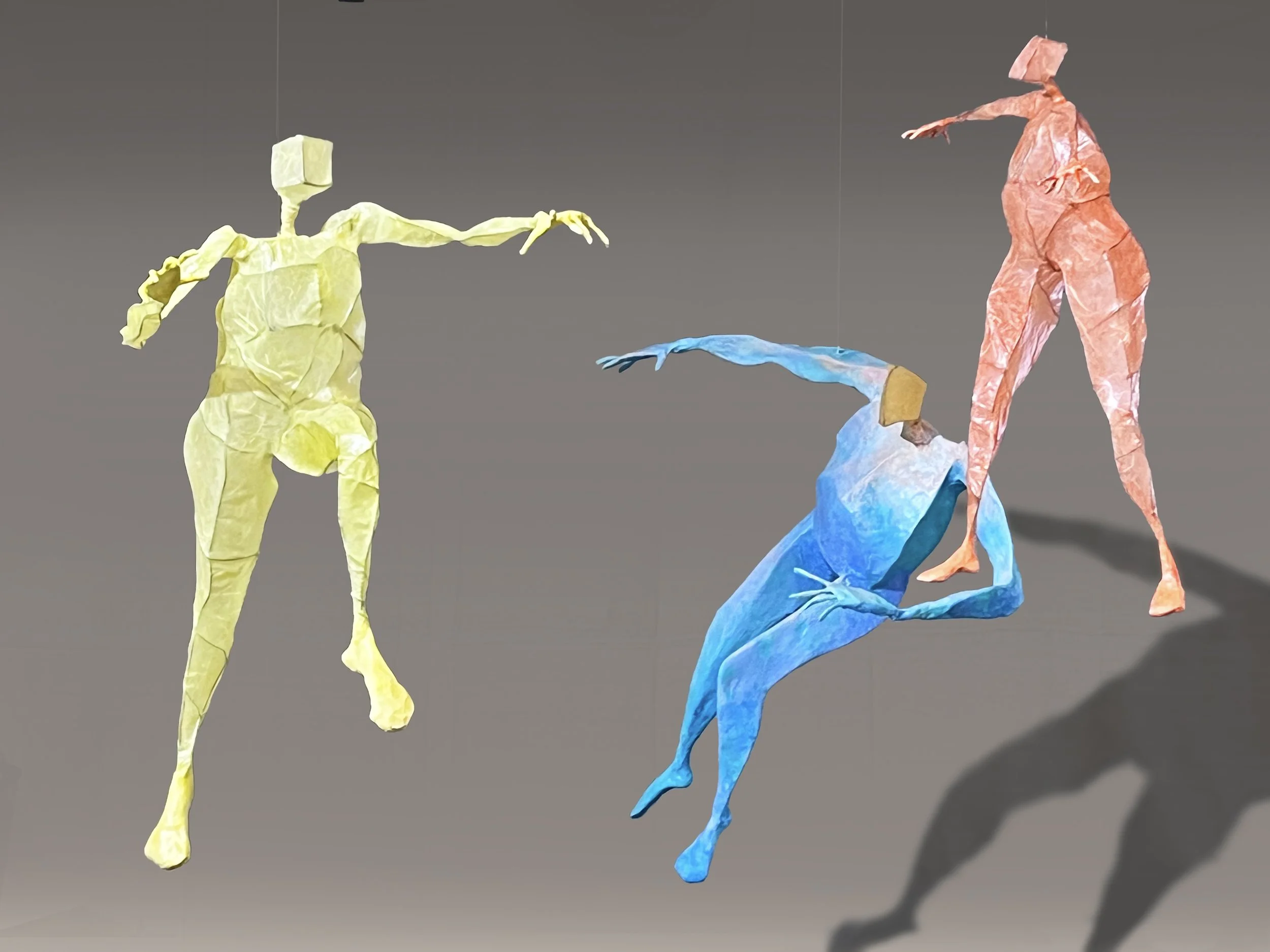
Perception: What you see is what you think
I have been fascinated with the concept of perception for a very long time. I recently read several books on quantum physics (very low level explanations) and realize how much of what we understand depends on perception. The act of observation changes the observed.
There is more to it than that. What we see is based on what we already know. The brain, a supreme pattern-matching machine, identifies any new visual input with existing patterns it already recognizes. When you see something truly new, it’s difficult to comprehend it as something unique. It simply gets associated with something you already understand and filed away accordingly.
Perception is a form of projection. We see what we expect to see. Nothing more.
suspended mobile - kinetic sculpture
The Creative Act: A Way of Being
Rick Rubin is a legendary music producer who dislikes that description. He is much more than that. His recent book, “The Creative Act: A Way of Being” is not about the music business. It’s about the creative process and all the nuances that turn ideas into greatness. It is a brilliantly conceived and articulately defined description of the process.
I listened to the audio version multiple times, then bought the hard copy. Each chapter is concise with a Zen-like spareness. His reading makes each topic even more poignant. The observations, examples and advice are all delivered with humility that comes from rich experience.
There are countless books on the topic of the creative process. Most are a waste of time. This one is truly different. It is an offering of thoughtful and useful wisdom. Read it.
This short interview with Rick Rubin on People I (Mostly) Admire includes a few specific examples of experiences cited in the book.

22 Insights from Artists on Collecting Art

Leap 2022, Mixed Media on marble base. 16.75 x 8.5 x 7 in.
I was recently invited to contribute to an article on adding texture to your apartment - “22 Unique Ways to Bring Texture into Your Apartment” The article, compiled by Ryan Castillo of Redfin, appeared earlier this week.
The number and variety of perspectives by contributing artists is insightful. This informed mix of art buying considerations expands the criteria collectors usually include in their process.
It’s a short read. The insights are not limited to apartment dwellers.
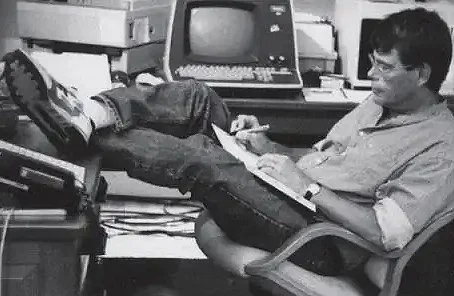
Stephen King “On Writing” and sculpture
In 2000, author Stephen King published “On Writing” which crystalized his knowledge of his craft. In my studio, I recently listened to the audio book read by the author. His thoughts about creating stories based on situations and characters are very similar to creating sculpture.
King explains, “Stories are found things like fossils in the ground… Stories are relics, part of an undiscovered, pre-existing world. The writer’s job is to use the tools in his or her toolbox to get as much of each fossil out of the ground intact as possible…
“Plot is, I think, the good writer’s last resort and the dullard’s first choice. The story which results from it is likely to feel artificial and labored. I lean more heavily on intuition and have been able to do that because my books have been based more on situation than story…
“The situation comes first. The characters, always flat and unfeatured to begin with, come next. Once these things are fixed in my mind, I begin to narrate. I often have an idea of what the outcome may be, but I have never demanded of a set of characters that they do things my way. On the contrary, I want them to do things their way. In some instances, the outcome is what I visualized. In most, however, it’s something I never expected. For a suspense novelist, this is a great thing.”
King’s mission, first and foremost, is to keep readers in a constant state on page-turning anxiety.
As a sculptor, my mission is to keep viewers in a constant state of curiosity. My initial idea is also based on a situation. The character evolves in response. I have ideas for my characters, but I don’t tell them how to respond. I modify their gestures to tell their story.
The art of creating a novel or a sculpture is the art of managing information. What does the audience need to know? When do they need to know it? An editor will tell you to remove anything that does not build character or advance the story. What you leave out creates more suspense than what you leave in. With sculpture, what you leave out is not gone. That space invites curiosity. It gives viewers room to wander, to wonder, to interject their own experience into the situation, and to be engaged in the story. If that experience uncovers some pre-existing world, the story becomes a timeless archetypal metaphor.
Welcome to Chas Martin” Artist Journal — reflections on sculpture, creative process, imagination and studio practice.